RICHARD BURTON
CONTROLLED HALLUCINATION
AUSSTELLUNG 20. Mai - 17. Juli 2026
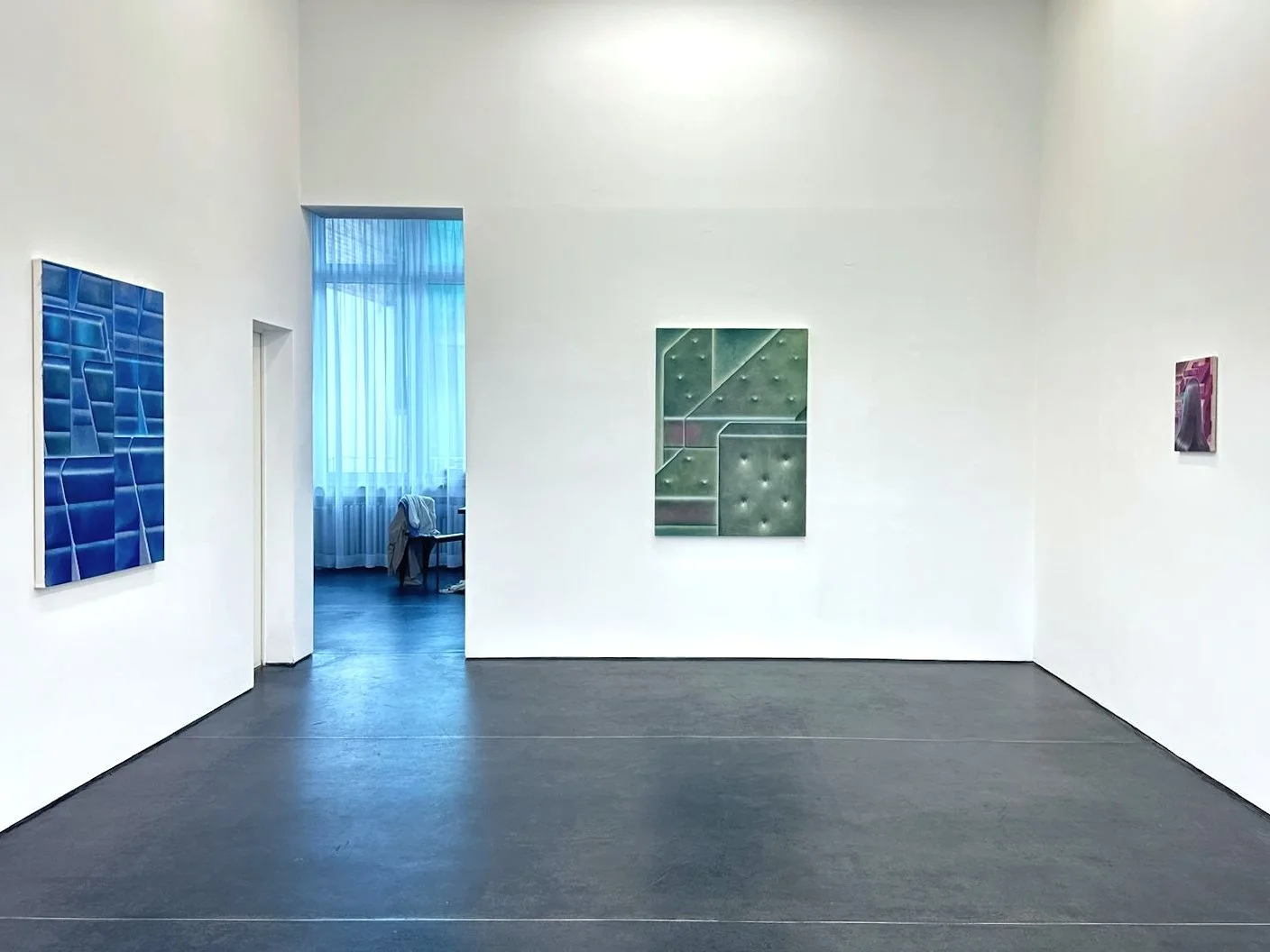
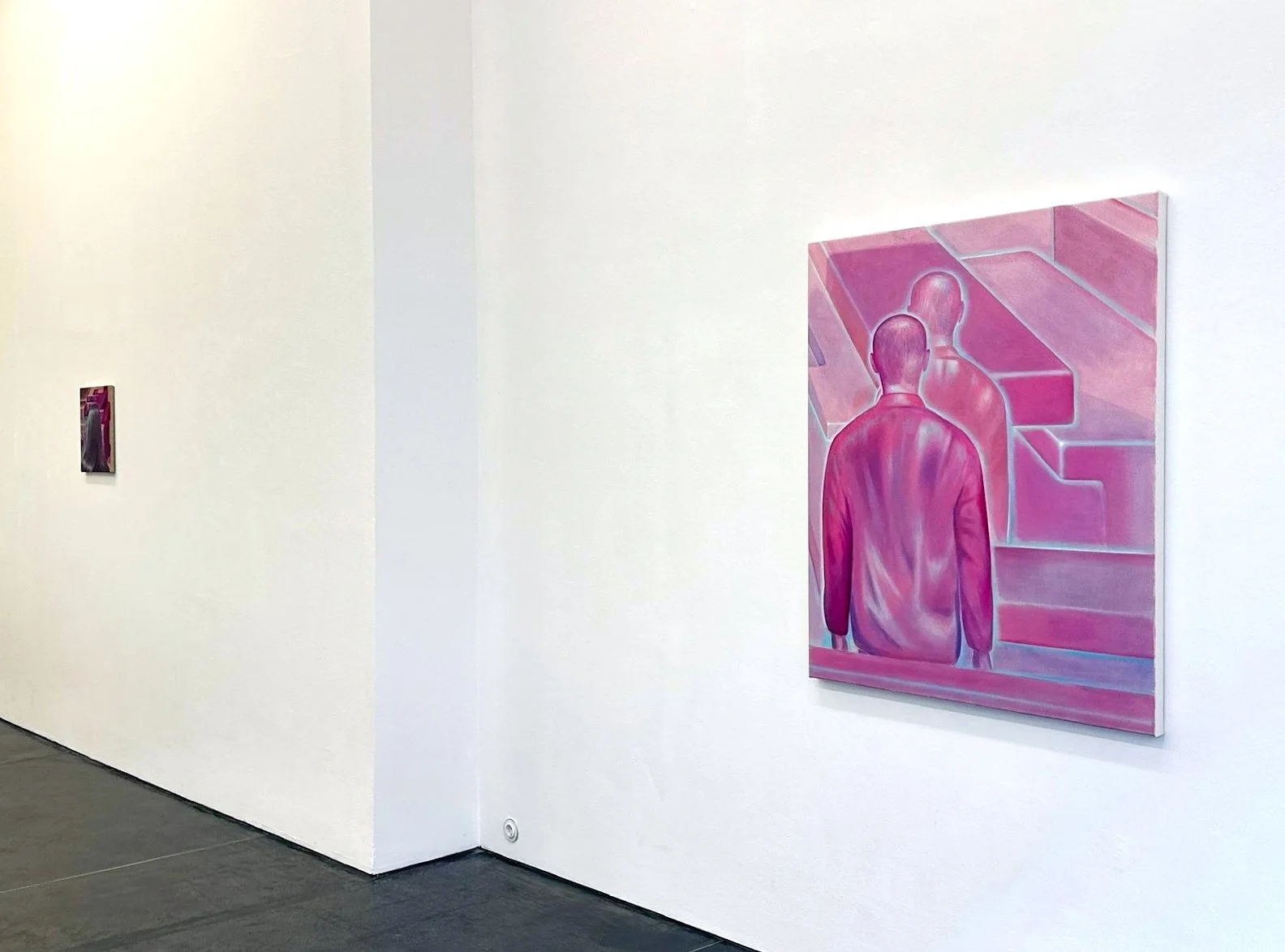
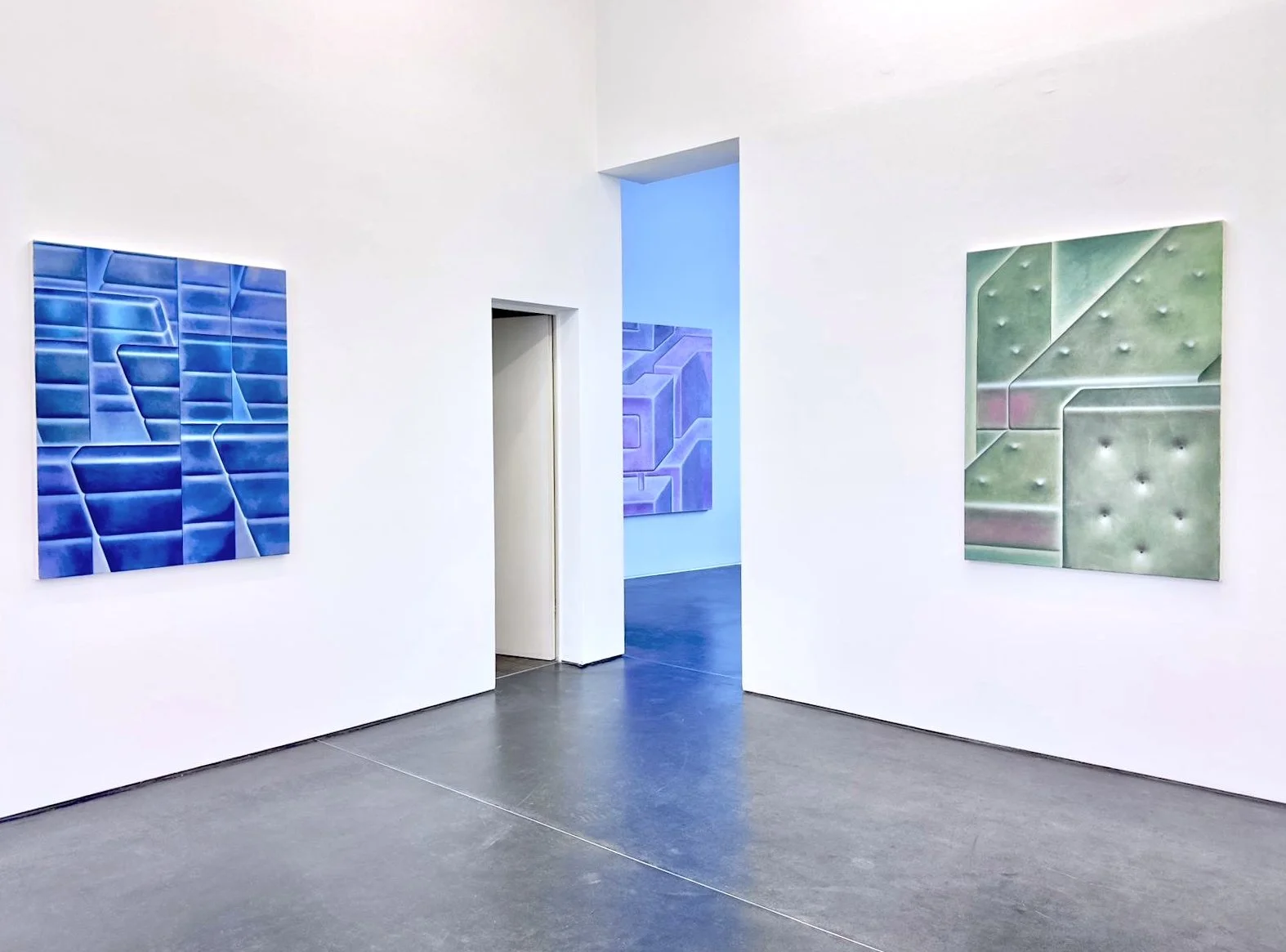
Ausstellungsansichten © by Richard Burton // GNA
And makes us rather bear those ills we have
Than fly to others that we know not of?
Thus conscience does make cowards of us all;
And thus the native hue of resolution
Is sicklied o’er with the pale cast of thought,
William Shakespeare, HAMLET, Act 3, Scene 1
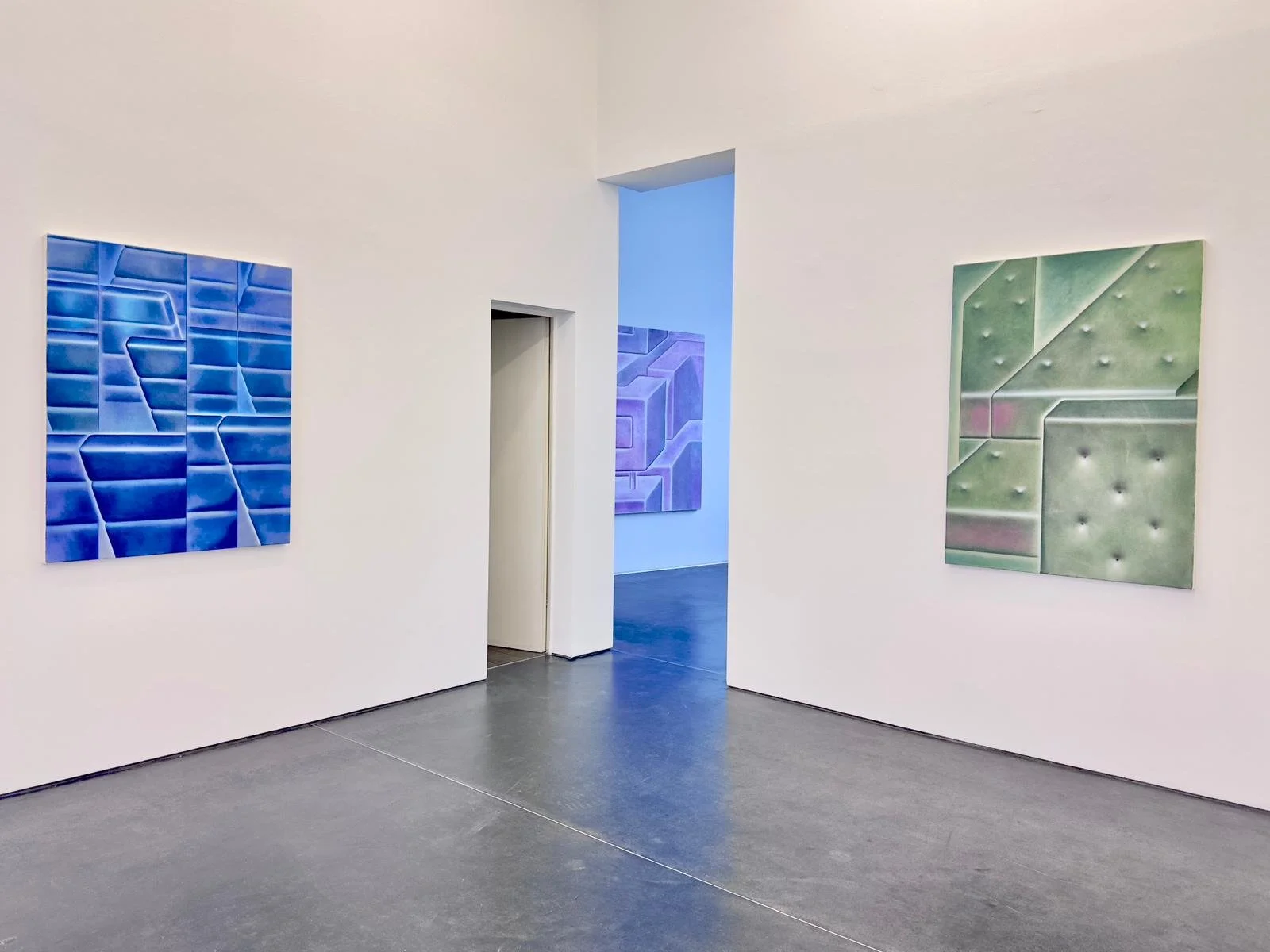
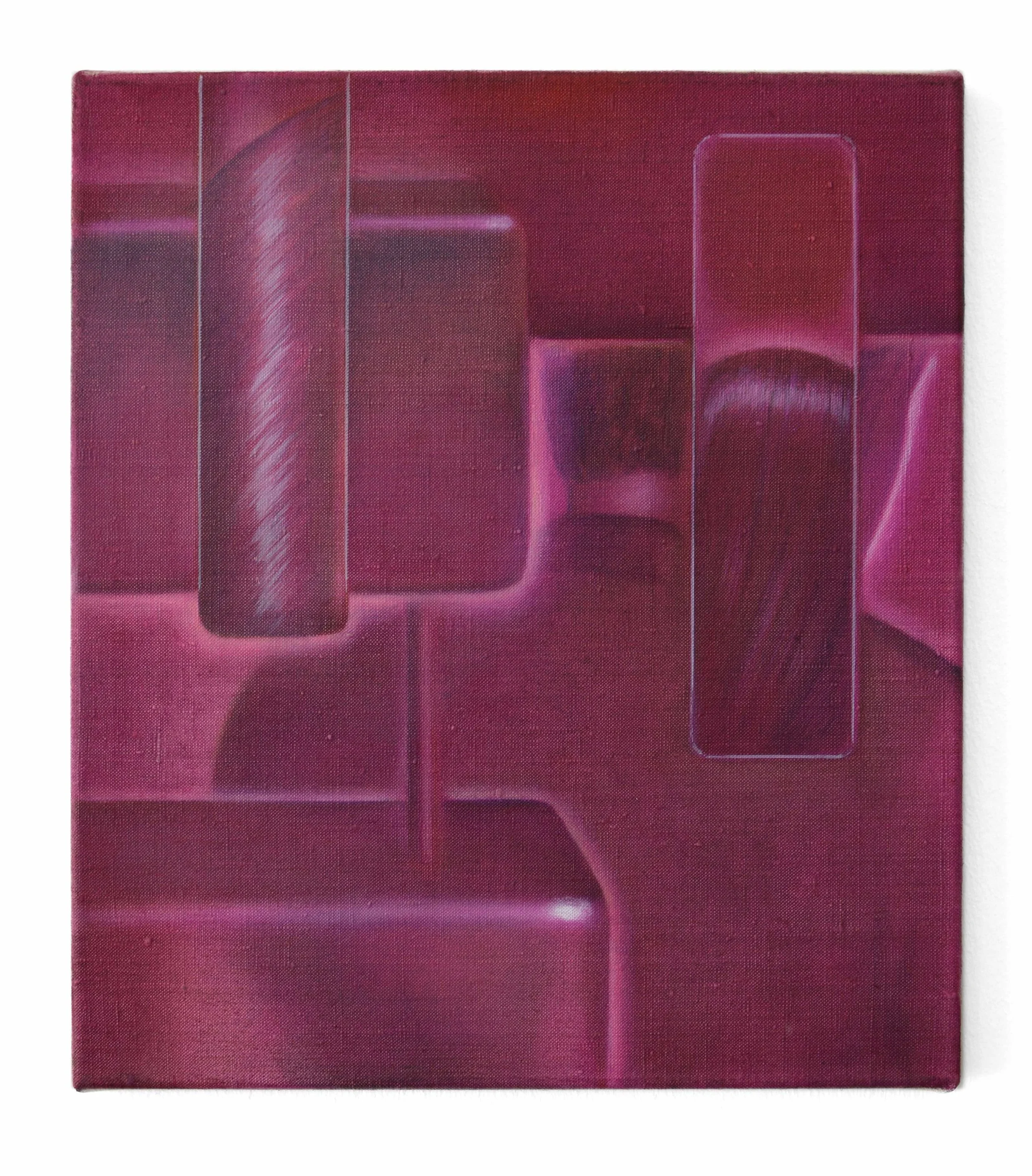
The term 'controlled hallucination' was coined by the British neuroscientist Anil K. Seth. His theory posits that the brain does not perceive the world solely through sensory impressions, but incorporates its own expectations when constructing our awareness of the environment, drawing on past experiences as well as our hopes and desires. Reality is therefore, for us, a comparison between sensory impressions and what is expected or already known. Errors in this process can lead to uncontrolled hallucinations.
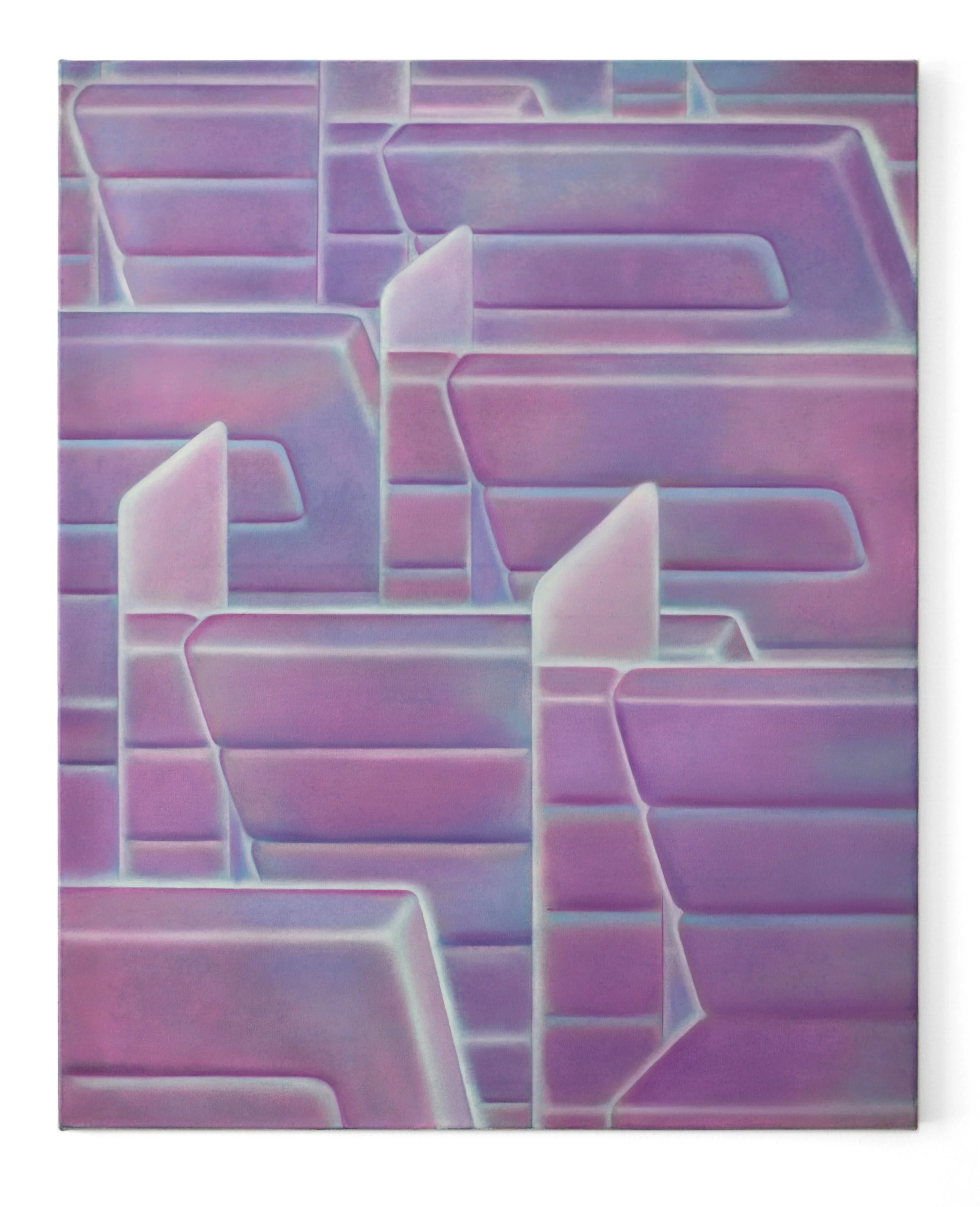
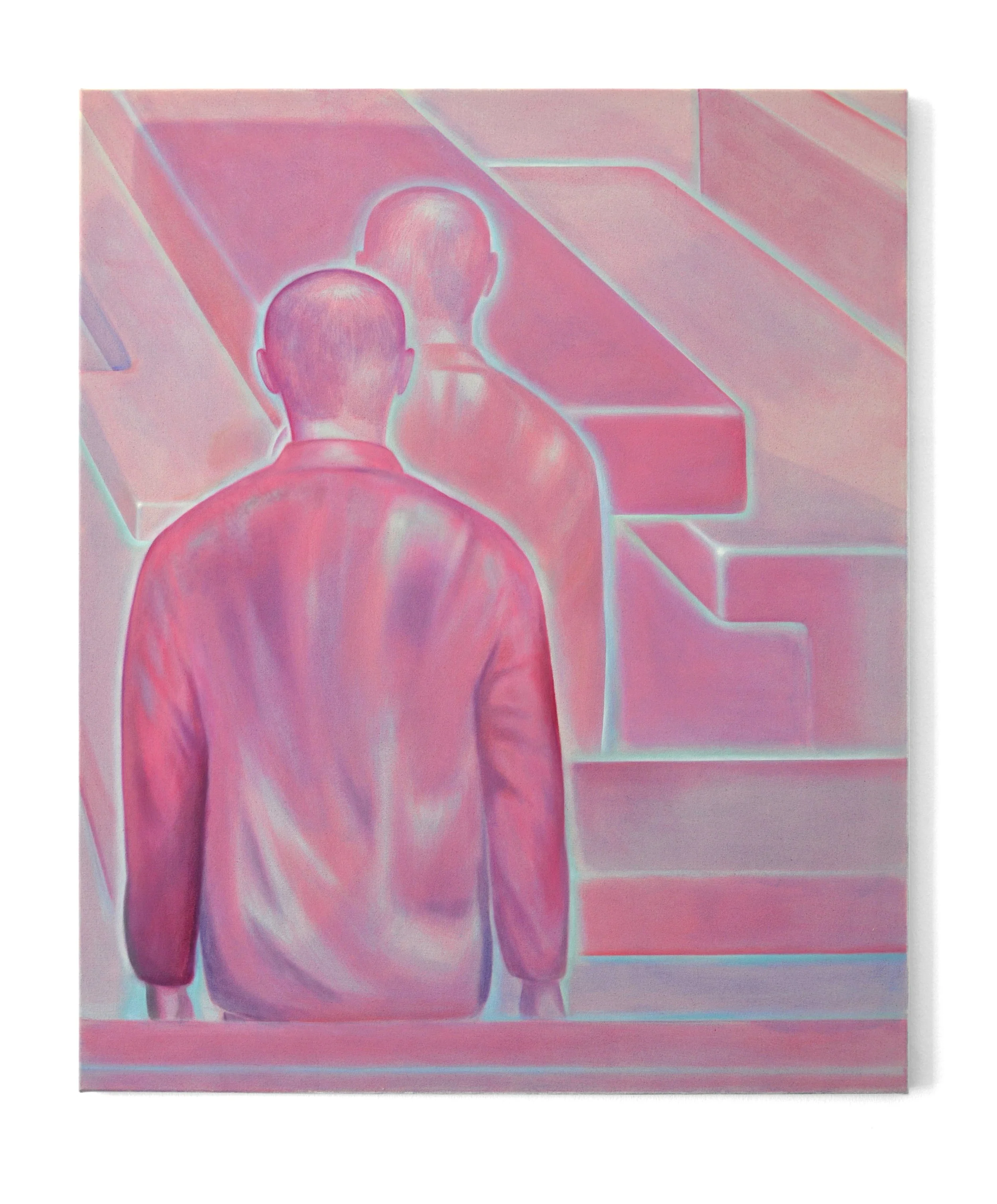
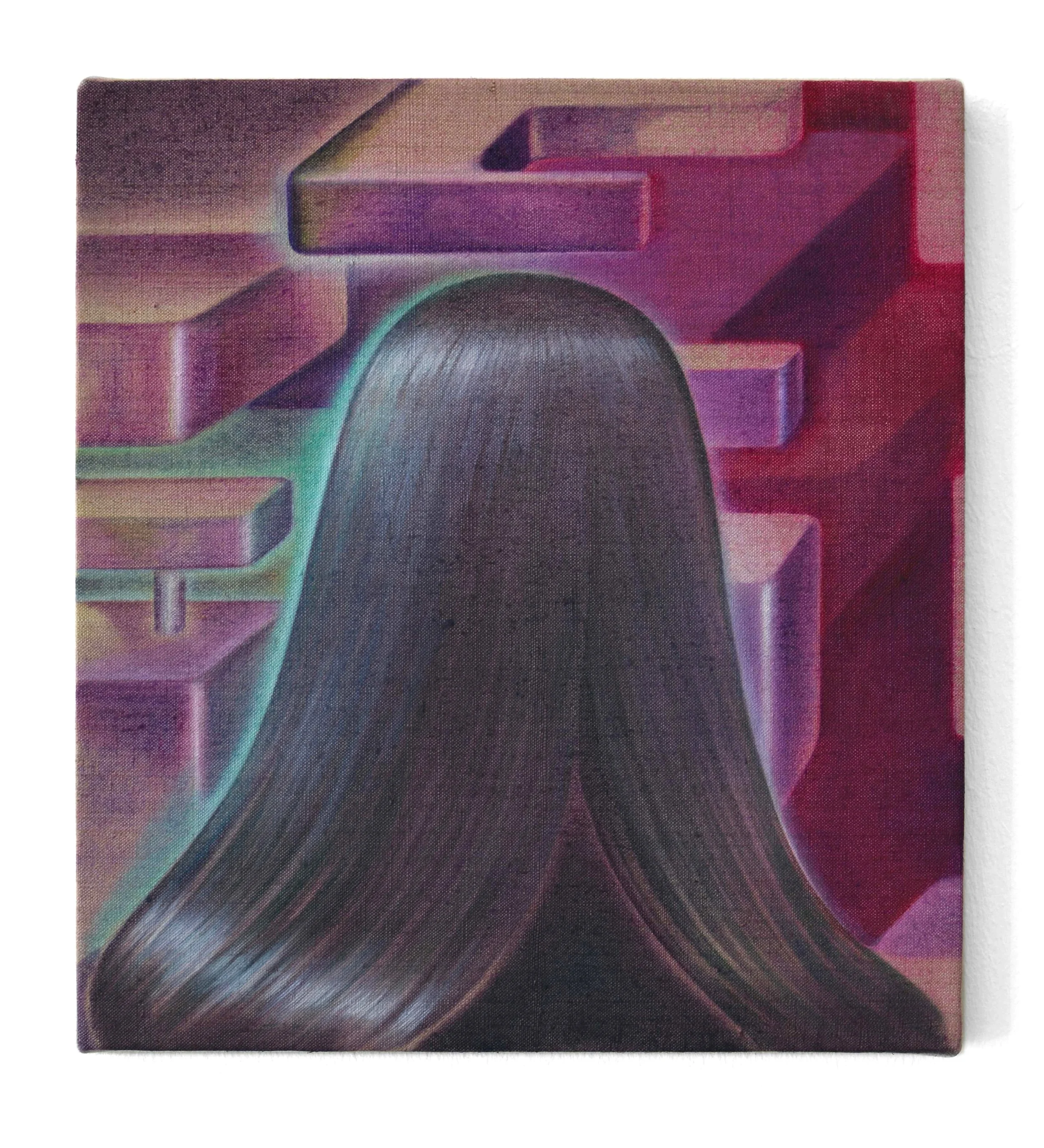
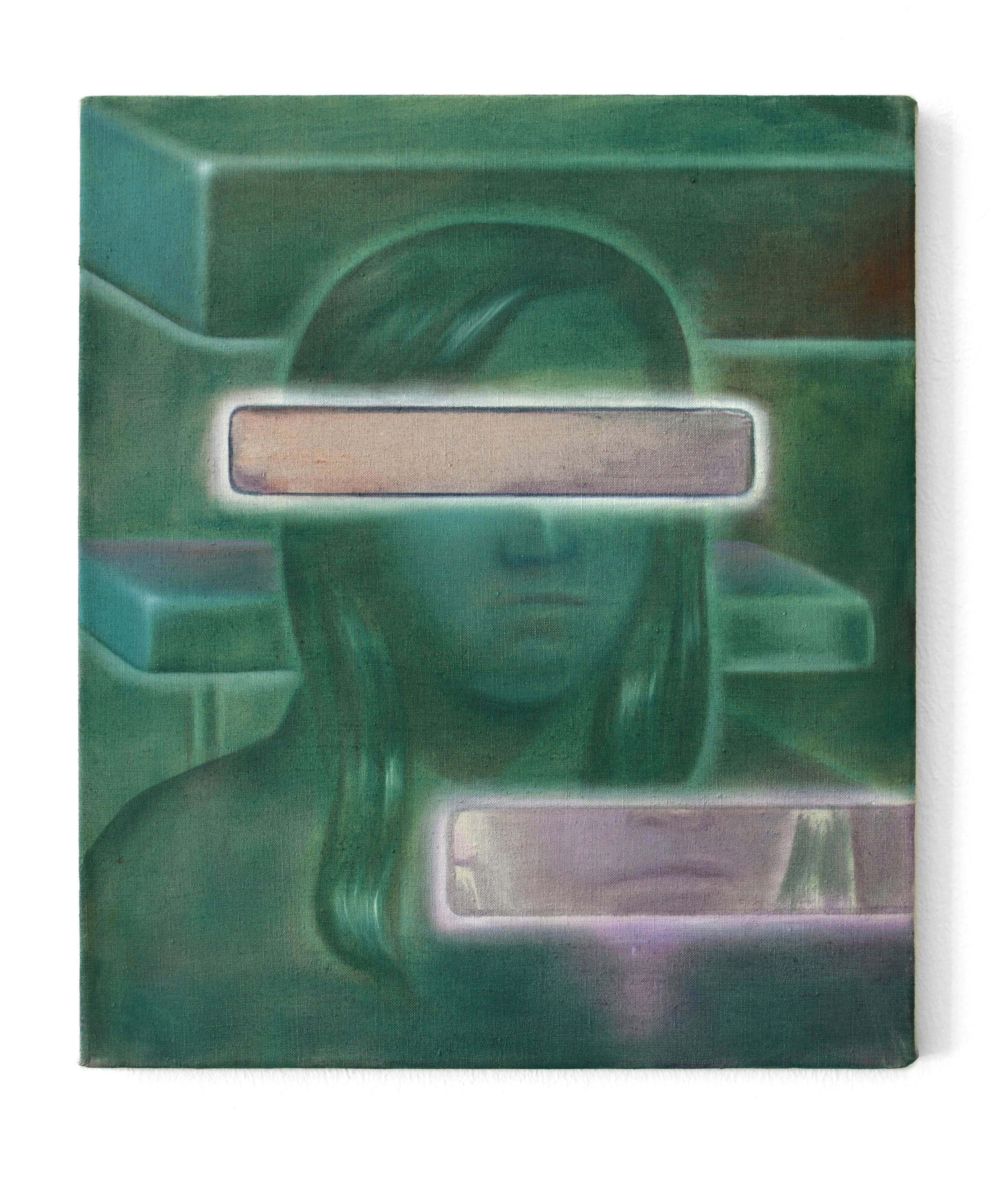
When Hamlet, in his 'To be or not to be' soliloquy, weighs the meaning and value of existence — as a known state — against that of the unknown non-existence, this may be read as Shakespeare's early engagement with such dilemmas. How much of the unknown are we prepared to endure, and why — and at what point might the brain begin to curb our drive to act? Richard Burton's work has always revolved around the themes of consciousness and perception; through the medium of painting, he engages with the difficulties we encounter in our perception of the world around us, particularly regarding its reliability. The choice of title for this exhibition therefore seems self-evident.
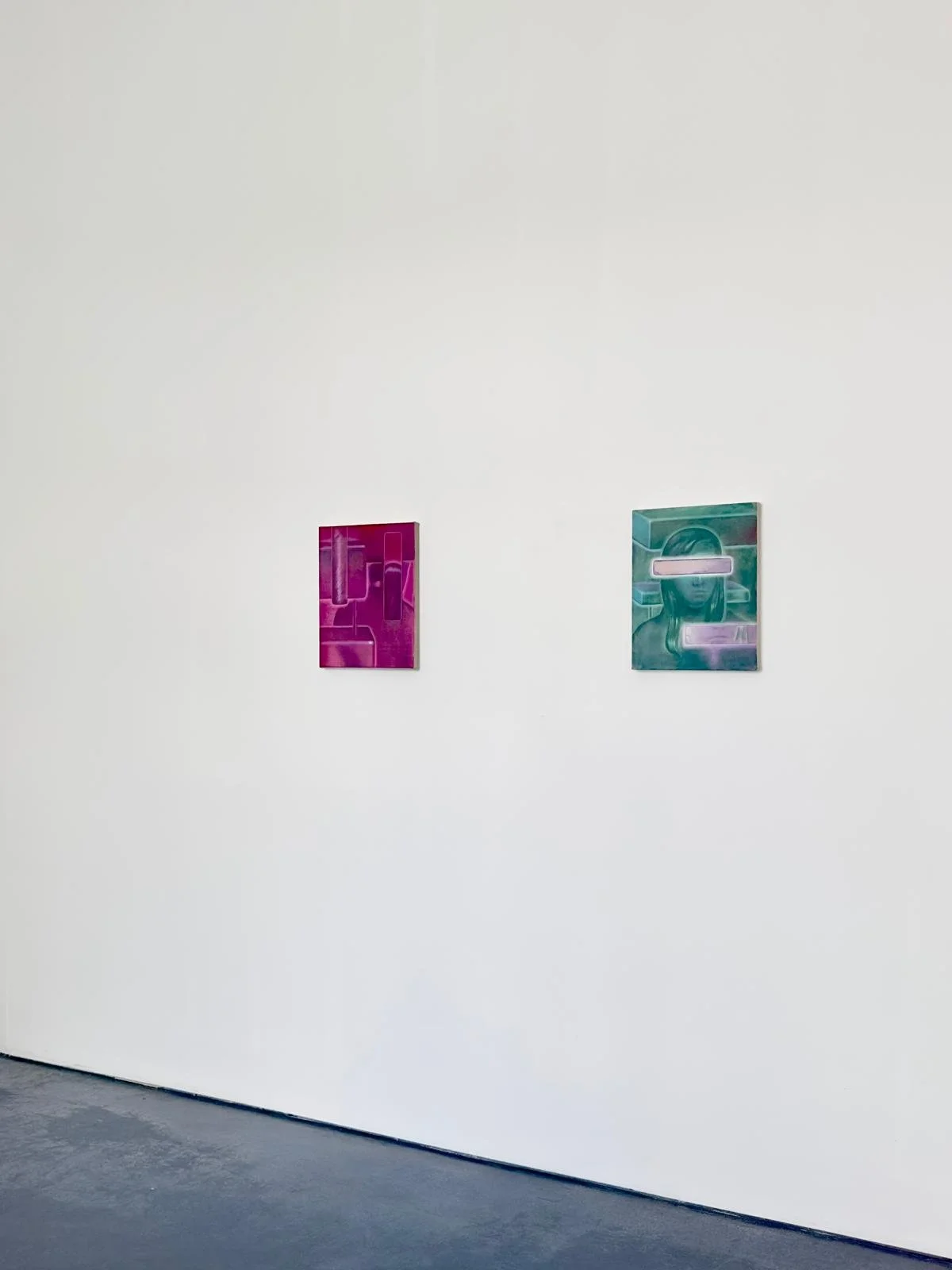
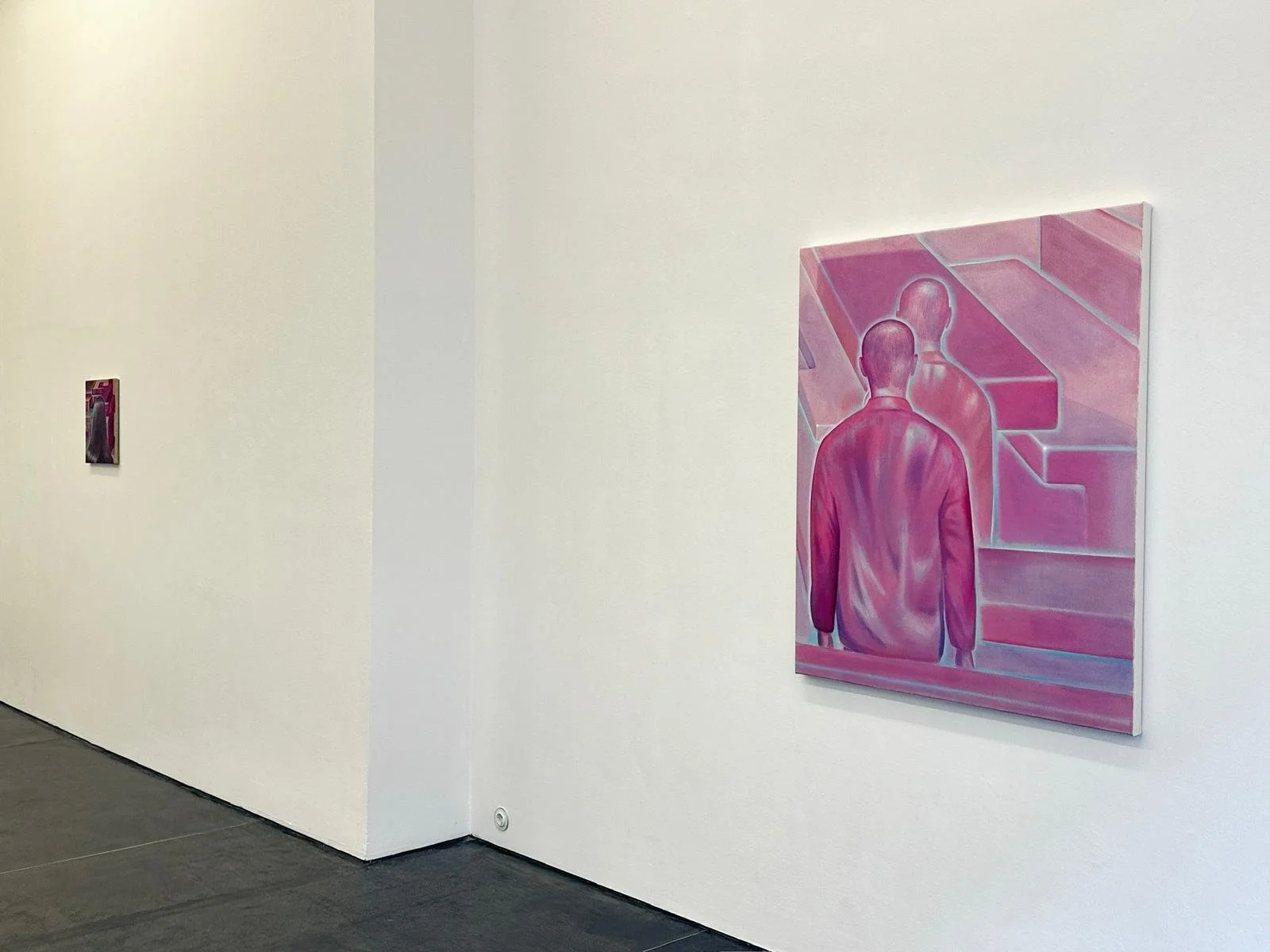
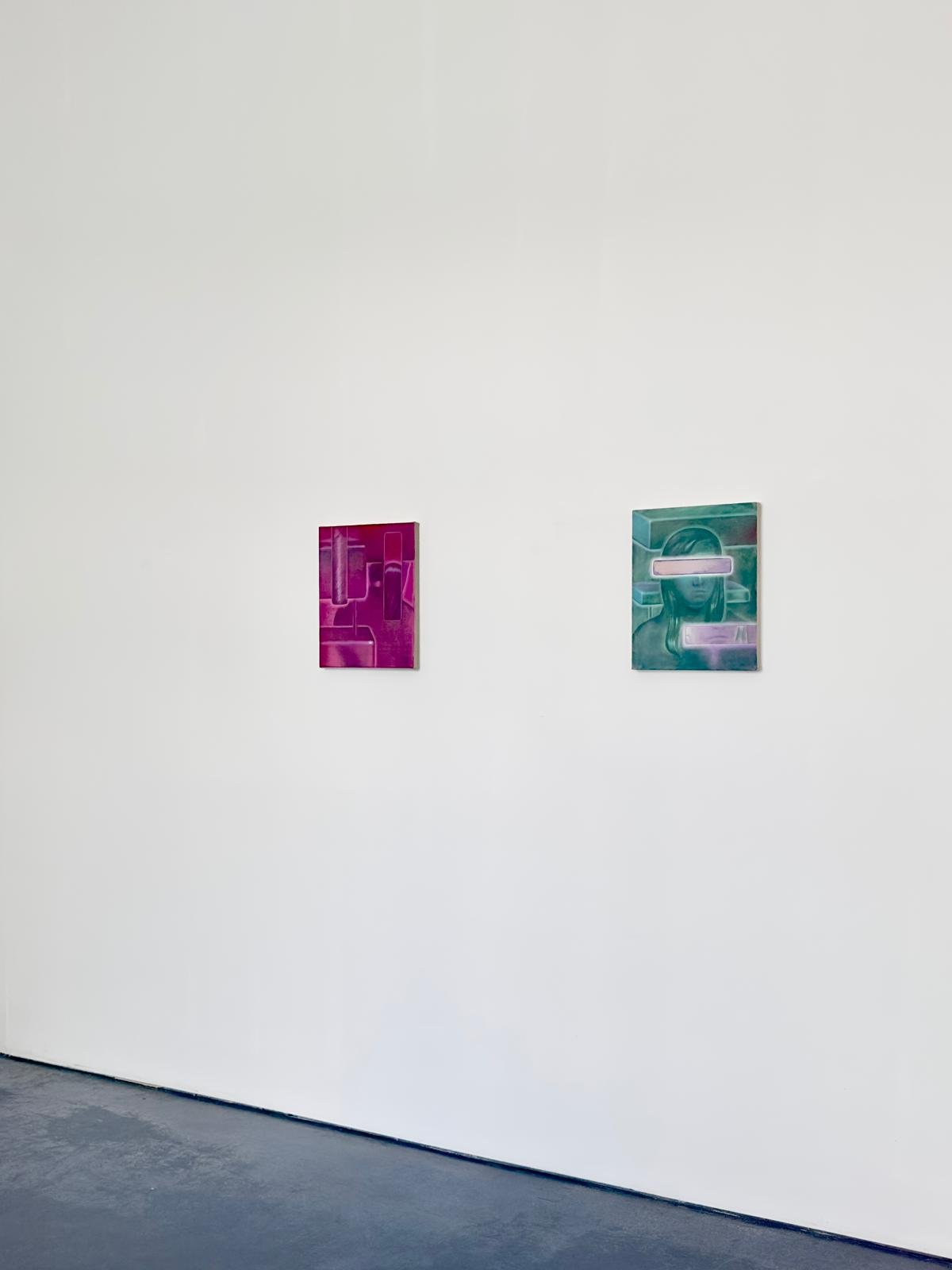
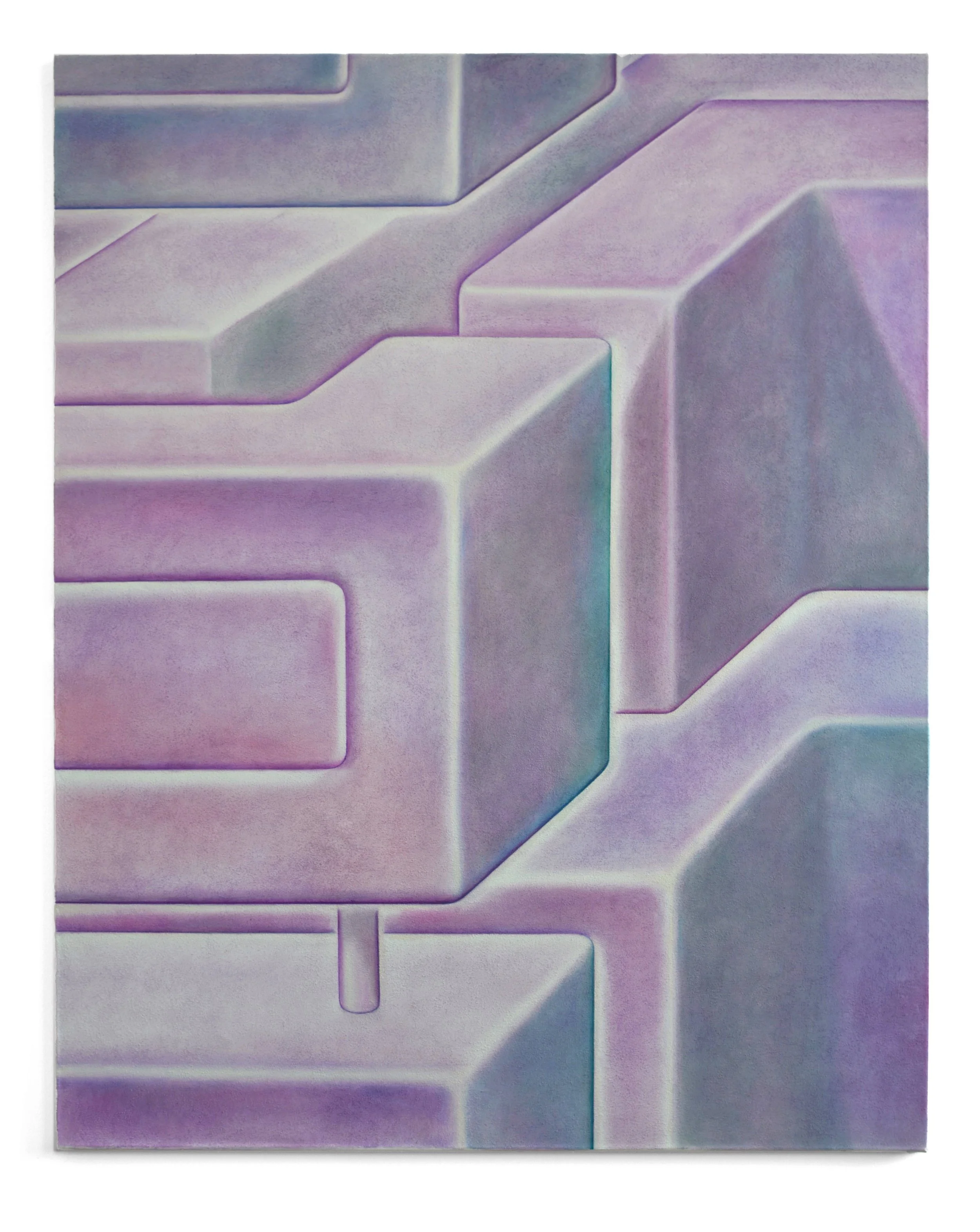
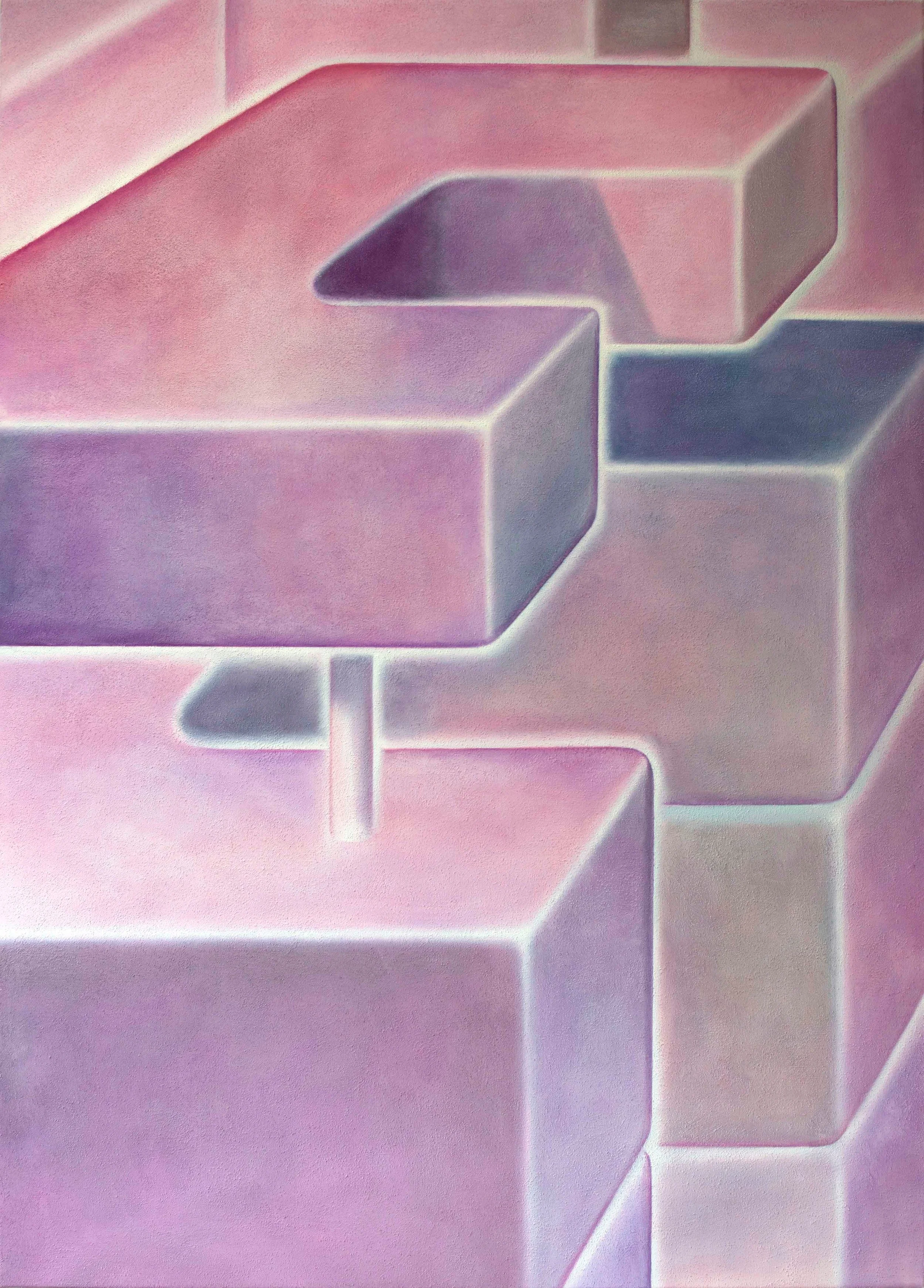
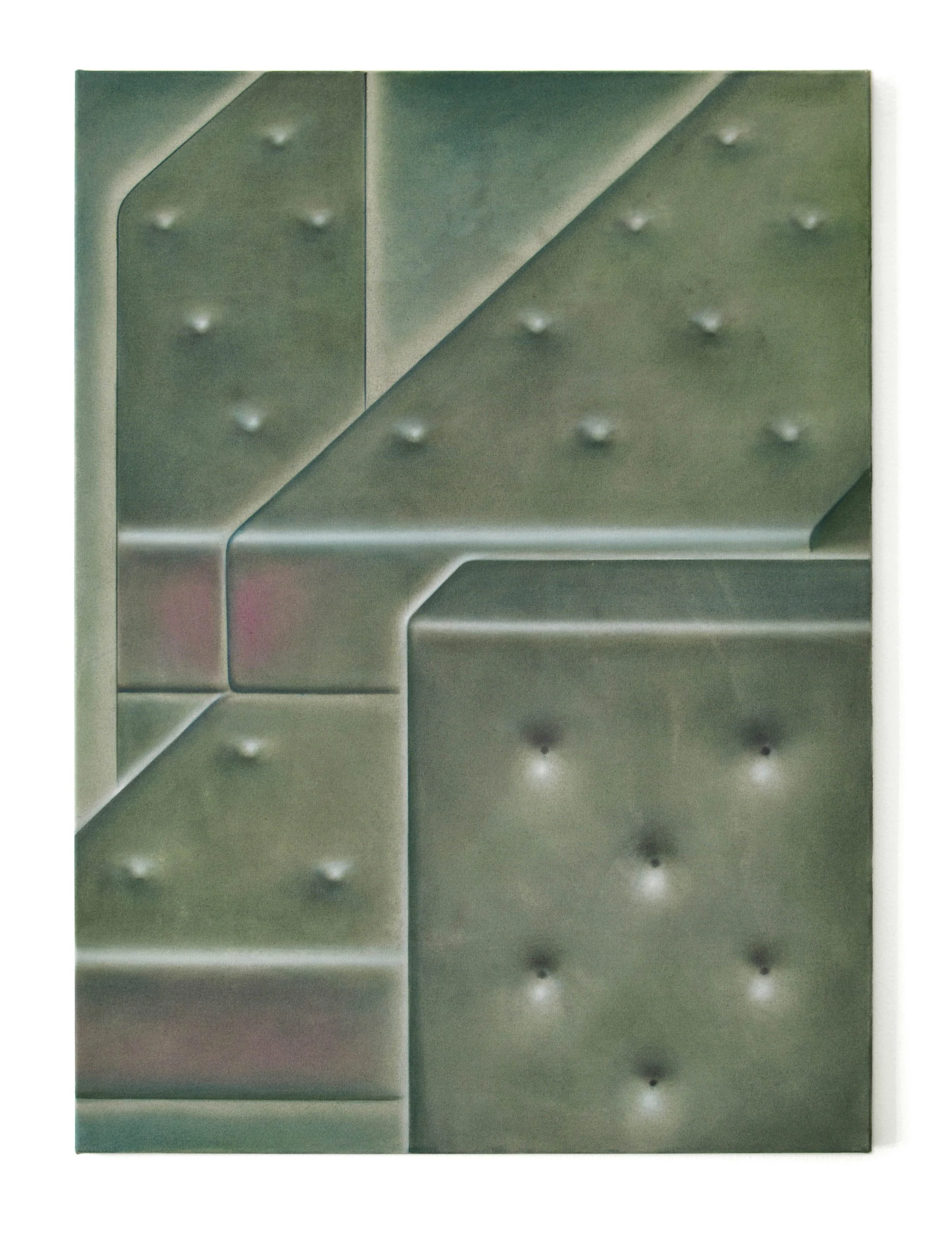
Burton's paintings are rooted in a tradition of realism. Neue Sachlichkeit (New Thingness) in particular — also known as Magical Realism or Verism — plays a significant role in this context. There are resonances in both form and content which, in Burton's work a century later, are expanded to encompass influences from literature and the video and gaming aesthetics of digital imagery. The viewer is confronted with dystopian pictorial spaces — mostly interiors with few figures, or faces concealed entirely behind the paint.
The Verism of the 1920s was disillusioned by the First World War, shaped by the presence of a young, fragile democracy and an emerging media society which, a hundred years on, now faces a new media revolution — that brought about by AI — and finds itself once again confronting a precarious political situation. The alienation of the individual arises from the overwhelming demand to position oneself within society, in 1926 as in 2026. Does our brain, then, protect us from too much reality by 'distorting' it with images that are already familiar? Does this render new experiences more bearable? Do the upholstered chairs in the waiting areas of Richard Burton's paintings reflect reality, while the figures within them are merely projections?
Burton invites us to linger before his paintings, for he knows how to depict emptiness through a wealth of colour nuance and precise brushwork, rendering it genuinely compelling. A dystopian idyll? The paintings are enticing, yet they promise nothing. They do, however, engage with objectivity. Across six medium-sized and three smaller works, viewers are invited to practise exercising control over their own perception through the act of looking.
NA
RICHARD BURTON (b. 1984) lives and works in Norfolk, UK. He studied at the Slade School of Fine Art and the Royal College of Art in London. His works have been exhibited, amongst others, in Hong Kong, Shanghai, Copenhagen, Geneva and Berlin. Among other honors, he is the recipient of the 2025 Pollock/Krasner Foundation Grant and has been awarded various residencies, including the Abbey Fellowship at the British School at Rome. RICHARD BURTONs most recent exhibition at GALERIE NORBERT ARNS in Cologne was Seinesgleichen geschieht in 2022.